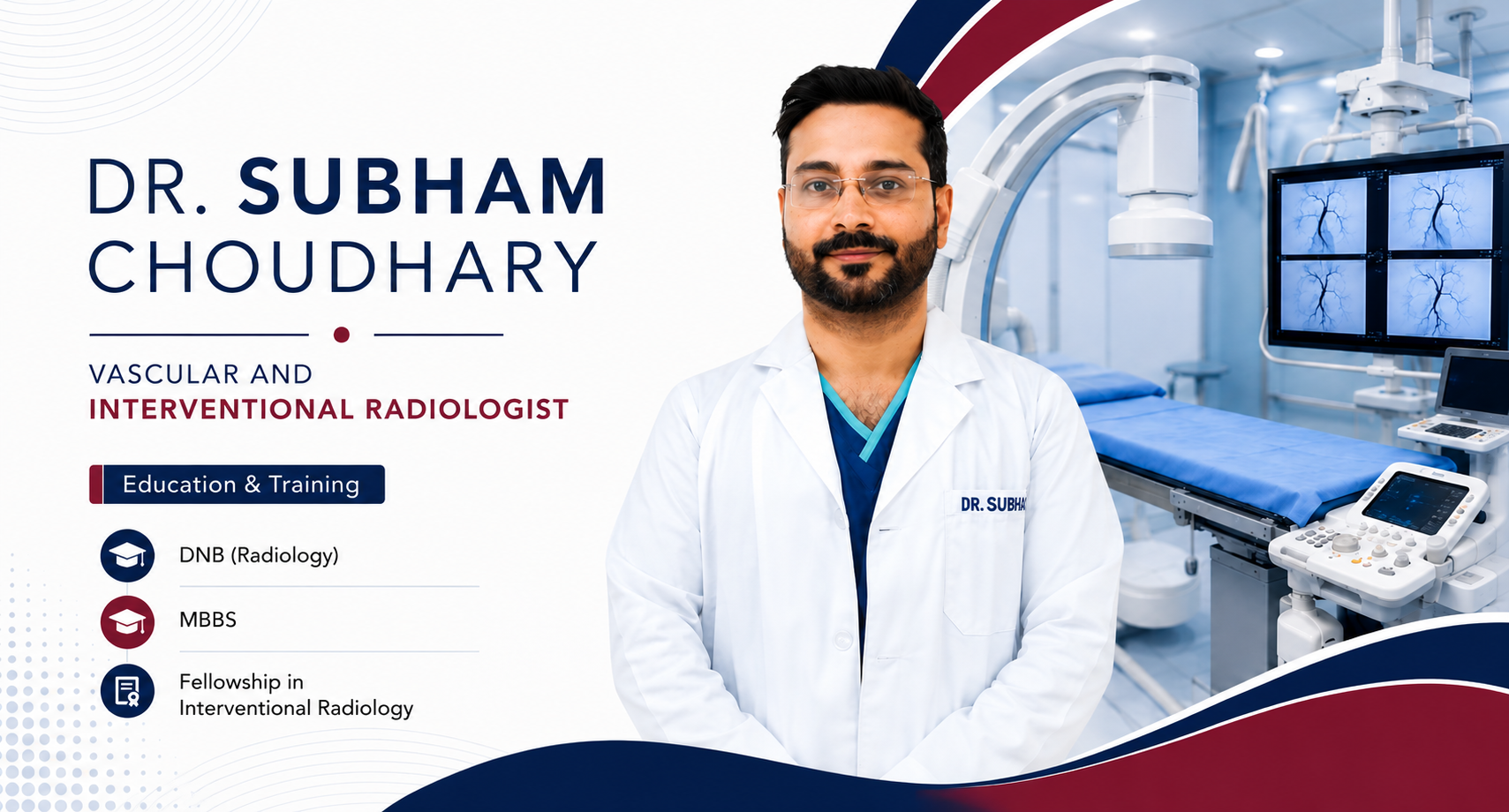
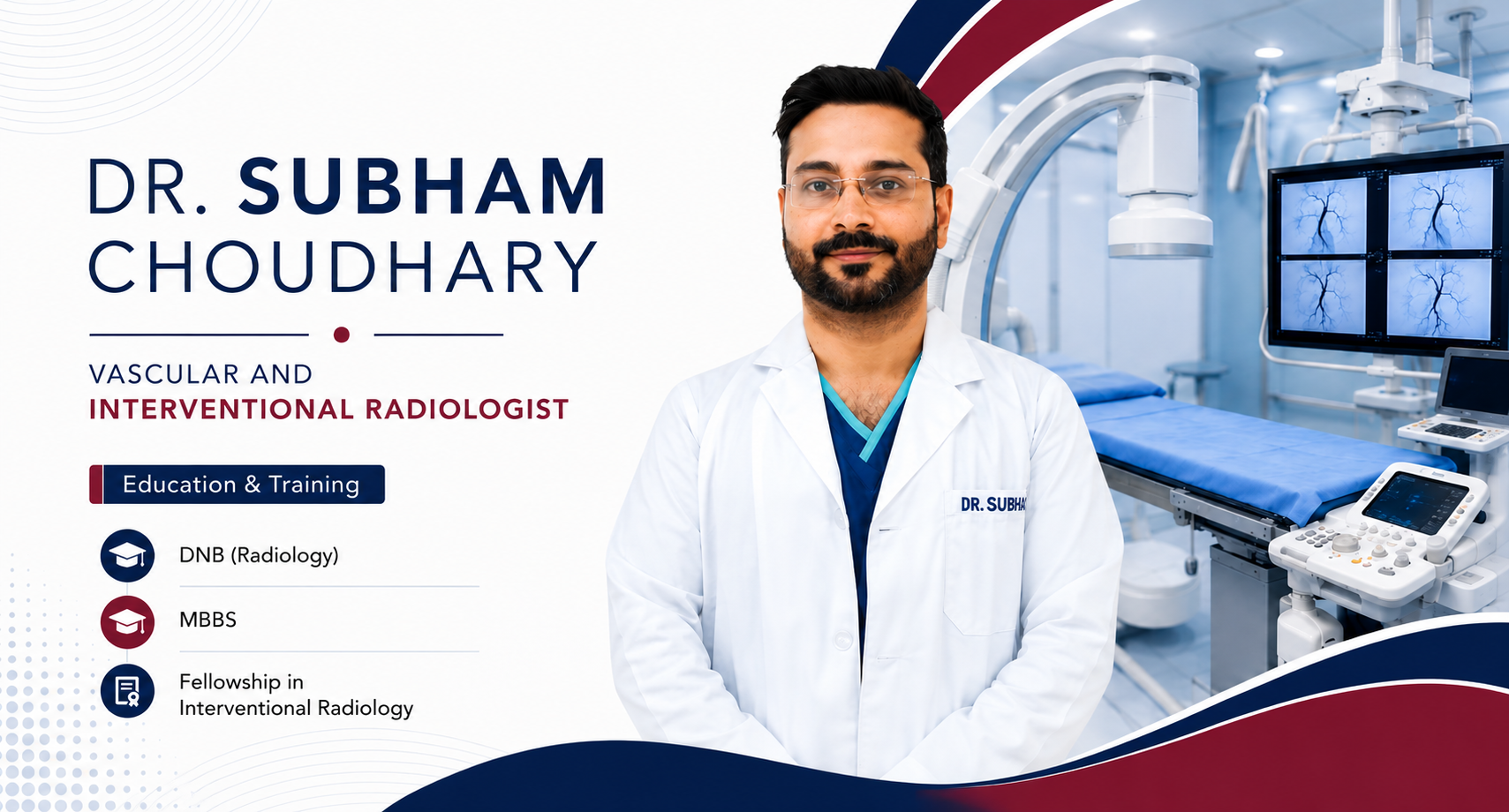
Dr. Subham Choudhary is a skilled Interventional Radiologist and Associate Consultant & Head of Interventional Radiology at Max Hospital, Shalimar Bagh, New Delhi. He specializes in interventional radiology consultation, diagnostic interventional radiology, vascular & endovascular interventions, and image-guided therapeutic interventions. His expertise includes interventional oncology, pulmonary & thoracic interventions, gastrointestinal & hepatobiliary interventions, genitourinary interventions, women's health interventions, and emergency & trauma interventions. Dr. Choudhary performs advanced minimally invasive procedures including angiography, embolization, angioplasty and stenting, tumor ablation, biopsies, drainages, hepatobiliary interventions, and emergency hemorrhage control. He has trained and worked at leading hospitals including Manipal Hospital, Dwarka, and Dr. B. L. Kapur Superspeciality Hospital. He holds a DNB in Radiology and MBBS from University College of Medical Sciences & GTB Hospital, New Delhi. With a strong focus on precision, patient safety, multidisciplinary collaboration, and evidence-based care, he provides comprehensive image-guided diagnostic and therapeutic solutions for complex medical conditions. His practice emphasizes personalized treatment planning and compassionate patient care throughout.
Dr. Subham Choudhary is an Interventional Radiologist at Max Hospital, Shalimar Bagh, specializing in image-guided and minimally invasive interventions. Book Appointment
- Call Us: 7503352686
- Email Us: subh.awesome10@gmail.com
.png)
.png)
.png)
.png)
A Message from the Doctor
About Us
6+
Years of Experience
5K+
Performed advanced vascular and non-vascular procedures including TJLB, TIPS, TACE, TARE, MWA/RFA, Sclerotherapy and more.
250+
Happy Reviews and Ratings
20K+
Lives Touched and Healed
Our Specialization
Interventional radiology
Vascular & Endovascular Interventions

Varicose Vein Surgery

Vascular Medicine

Interventional Oncology
Healthcare Services
Expert Care Across the Spectrum of Vascular & Endovascular Disorders
Dr. Subham Choudhary
Vascular and Interventional Radiologist
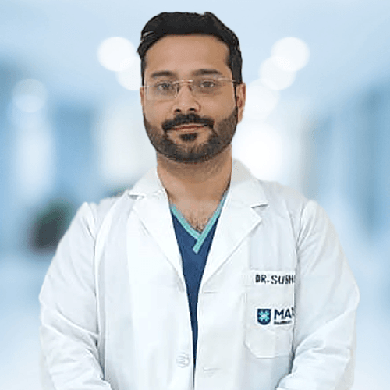
- MBBS, DNB (Radiology), Fellowship in Interventional Radiology
- 6.0 Years Of Experience
- Licence No. DMC-19458
- Call
- Video Call
- In person
Videos
Our Latest Videos

Media Pictures
Explore our gallery of images and moments
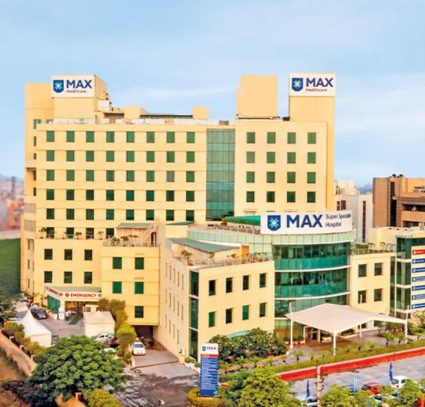
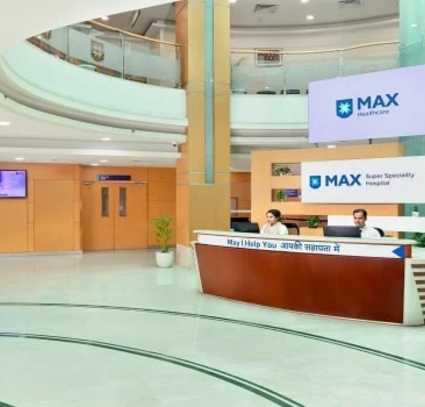
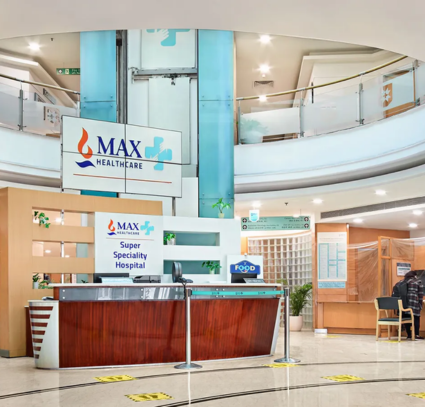
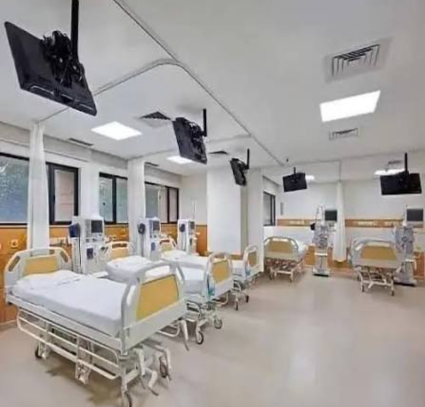
Frequently Asked Questions
Need Answers? Find them here...
What are genitourinary interventions in interventional radiology?
Genitourinary interventions use imaging guidance to diagnose and treat conditions affecting the kidneys and urinary system. Procedures such as percutaneous nephrostomy (PCN) may be performed to establish urinary drainage when clinically required. Depending on the diagnosis, other image-guided procedures may also be considered. Treatment is individualized based on imaging, symptoms, and the patient's overall medical condition.
What women's health interventions are offered through interventional radiology?
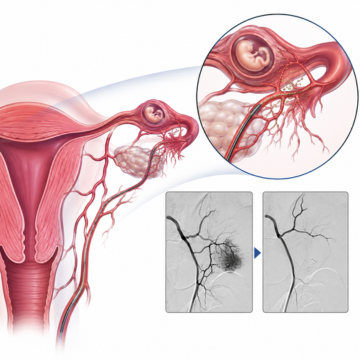
Interventional radiology provides minimally invasive treatment options for selected women's health conditions. Uterine artery embolization (UAE) is one such image-guided procedure that may be considered for appropriate patients. By targeting specific blood vessels, interventional radiology can provide focused treatment while potentially avoiding more invasive surgery in suitable cases. A detailed consultation is important to determine whether an intervention is appropriate.
How can interventional radiology help in emergency and trauma cases?
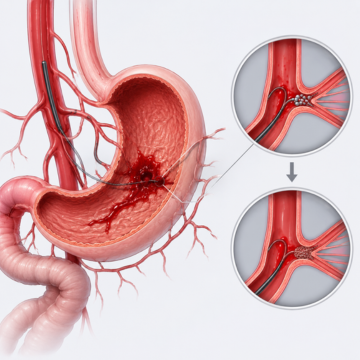
Interventional radiology can provide rapid, targeted treatment for certain emergency and trauma-related bleeding conditions. Embolization and image-guided hemorrhage control can be used to identify and manage bleeding blood vessels in appropriately selected patients. These minimally invasive emergency interventions can be particularly valuable when prompt control of internal bleeding is required and may be performed as part of a multidisciplinary emergency care approach.
What are image-guided therapeutic interventions?
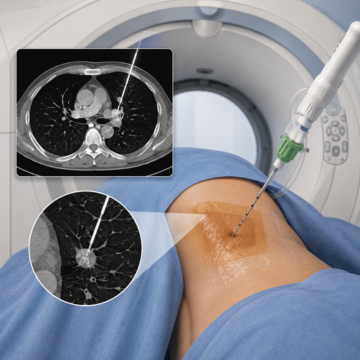
Image-guided therapeutic interventions use real-time imaging to accurately guide instruments to the treatment area. Depending on the procedure, ultrasound, CT, fluoroscopy, or angiography may be used. These techniques allow an interventional radiologist to precisely target the affected area while minimizing unnecessary tissue disruption. Image-guided therapy is used across vascular, oncological, hepatobiliary, genitourinary, thoracic, and other interventional procedures.
Is interventional radiology an alternative to conventional surgery?
For selected medical conditions, interventional radiology can provide a minimally invasive alternative to conventional surgery. Many procedures are performed through a small access point using image guidance rather than a large surgical incision. This may result in less tissue trauma and potentially a shorter recovery period for suitable patients. However, interventional radiology is not appropriate for every condition, and the recommended treatment depends on an individual's diagnosis and clinical circumstances.
What happens during an interventional radiology consultation?
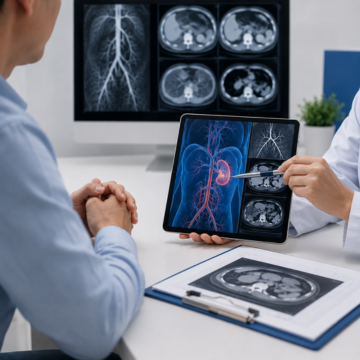
During an interventional radiology consultation, the doctor reviews the patient's symptoms, medical history, previous treatments, laboratory investigations, and relevant imaging such as CT, MRI, ultrasound, or angiography. Dr. Subham Choudhary evaluates whether an image-guided intervention is appropriate and discusses the available treatment options, expected benefits, potential risks, and recovery considerations. When required, treatment planning is coordinated with other specialists as part of multidisciplinary care.
Why consult Dr. Subham Choudhary for interventional radiology?
Dr. Subham Choudhary is an experienced Interventional Radiologist and Associate Consultant & Head of Interventional Radiology with expertise in vascular and non-vascular interventions, interventional oncology, gastrointestinal and hepatobiliary procedures, genitourinary interventions, emergency interventions, and image-guided therapeutic procedures. His approach combines advanced interventional radiology techniques, evidence-based treatment planning, multidisciplinary collaboration, patient safety, and individualized care.
What is interventional radiology?
Interventional radiology is a specialized field of radiology that uses advanced imaging techniques such as ultrasound, CT, fluoroscopy, and angiography to diagnose and treat various medical conditions through minimally invasive procedures. Image-guided interventions can provide targeted treatment with smaller access points and, in selected patients, may reduce the need for conventional surgery and support faster recovery.
What conditions does an interventional radiologist treat?
An interventional radiologist can diagnose and treat a broad range of vascular and non-vascular conditions. These include blood vessel disorders, tumors, liver and biliary diseases, kidney and urinary tract conditions, pulmonary conditions, women's health conditions, and certain emergency and trauma-related conditions. Treatment is selected according to the patient's diagnosis, imaging findings, medical history, and overall health.
What vascular and endovascular interventions does Dr. Subham Choudhary perform?
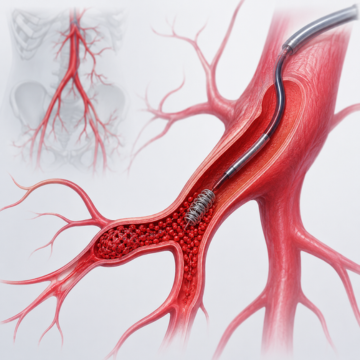
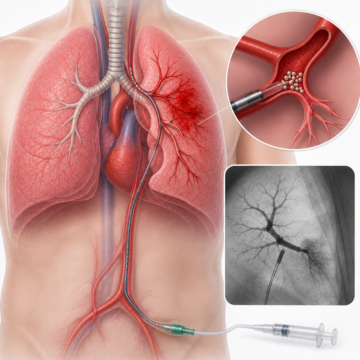
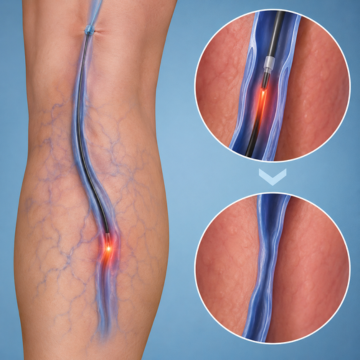
Dr. Subham Choudhary specializes in vascular and endovascular interventions, including angiography, angioplasty, stenting, and embolization. These minimally invasive procedures can help evaluate and manage abnormalities of blood vessels, improve or control blood flow, and treat selected vascular conditions. The appropriate intervention is determined after detailed clinical and imaging evaluation.
What is interventional oncology?
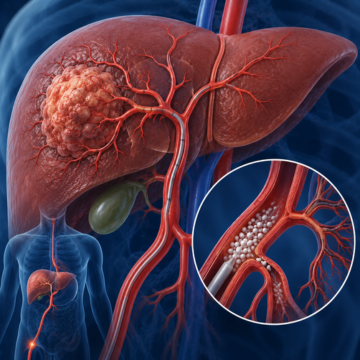
Interventional oncology involves using image-guided minimally invasive procedures to diagnose and treat selected tumors. Dr. Subham Choudhary has experience with tumor ablation and advanced procedures such as transarterial chemoembolization (TACE), transarterial radioembolization (TARE), microwave ablation (MWA), and radiofrequency ablation (RFA). These treatments may be used independently or alongside other cancer treatments as part of a multidisciplinary treatment plan.
What are gastrointestinal and hepatobiliary interventions?
Gastrointestinal and hepatobiliary interventions involve minimally invasive, image-guided procedures for conditions affecting the liver, bile ducts, and related organs. Dr. Choudhary has experience in procedures including TIPS, TACE, TARE, transjugular liver biopsy, and image-guided drainage procedures. These interventions are planned according to the patient's condition and may provide targeted treatment without requiring conventional open surgery.
Location & Location Map
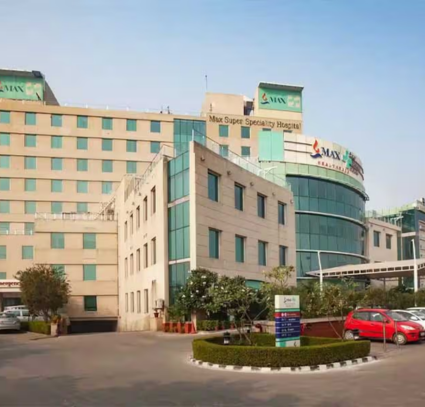
 Address :Max Super Speciality Hospital, FC 50, C and D Block, Shalimar Place Site, Shalimar Bagh,, New Delhi 110088, Delhi


Working Hours
MONDAYClosed
TUESDAYClosed
WEDNESDAYClosed
THURSDAYClosed
FRIDAYClosed
SATURDAYClosed
SUNDAYClosed
Contact Us
What We Offer
Contact Us
- Email: subh.awesome10@gmail.com
- Phone: 7503352686
Social Media connect:


Website Powered by icareheal